
Algeria – Snapshot
Algeria is a North African country with a 1,600km coastline on the Mediterranean. It has a GDP of US$145bn and a population of 44 million of which just over 500,000 are a diaspora in France, which was its colonial ruler. The economy is underpinned by deposits of fossil fuels and manufacture of petroleum. It founded a stock exchange in 1997 which has attracted no listings.
President Abdelmadjid Tebboune, who came to power in December 2019, has presided over the COVID-19 outbreak which led to an economic contraction of 5.5% in 2020 following growth of 1.4% in 2018 and 0.9% in 2019. The economy is expected to recover partially in 2021.
The temporary fall in global oil prices, coupled with the decline in export volumes, caused a steep fall in hydrocarbon export revenues.
Algeria’s slow pace of vaccination suggests that some containment measures could remain in place in 2022. As a result, although the hydrocarbon industry is expected to rebound in 2021, activity in the rest of the economy will be slow to recover amid employment and earnings losses and low consumer and business confidence. Starting with a Socio-Economic Recovery Plan, the Algerian authorities have announced a longstanding reform effort to shift the economy toward a sustainable, private sector-led model, transition to renewable energy, reduce severe imbalances in the country’s macroeconomy, and protect the population’s livelihoods.
In the past two decades, the hydrocarbon boom has allowed Algeria to make advances in economic and human development. Algeria is considered to have achieved universal primary education, with a 97% primary net enrolment rate in 2015 (with gender parity) and has lifted higher education enrolment rates.
Like other oil-exporting countries across the North Africa region, Algeria will need to shift toward a more diversified economy to lift job prospects in the country, which are crucial given its young demographic profile.
[Source: African Development Bank, World Bank, Who Owns Whom industry reports]
Contact us to access WOW's quality research on African industries and business
Contact UsRelated Articles
BlogCountries Automotive & PartsSouth Africa
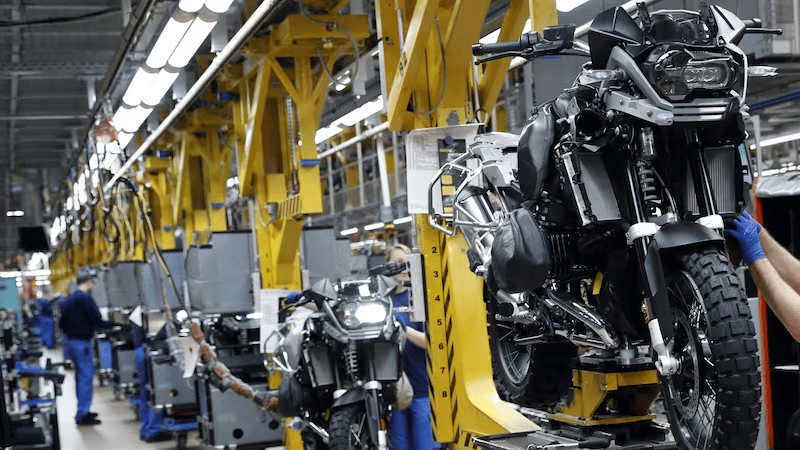
How motorcycles are transforming shopping and the mobility industry in South Africa
The South African motorcycle industry has been a victim of relentless progress in automation and productivity gains in vehicle manufacturing. The essence of automation and technological innovation has enabled the production of higher volumes of the same items in shorter timeframes. This means that small production facilities can no longer compete on a least-cost basis with large plants.

BlogCountries ManufacturingSouth Africa
The Reinvention of South Africa’s Pulp and Paper Industry
In 1972, a report titled The Limits to Growth concluded that unless societies fundamentally changed how they consumed resources and managed environmental degradation, the world would eventually face severe constraints on industrial production, economic growth, and human wellbeing. This sparked debates and initiatives to address the scarcity and limited availability of resources.
BlogCountries Agriculture & AgribusinessSouth Africa
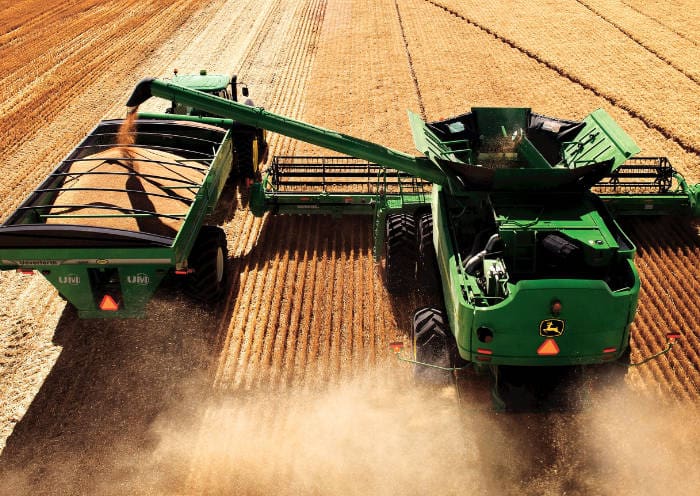
From food security to climate resilience, South African agriculture is keeping up with global competitors
The Who Owns Whom report on Trends in South African Agribusiness shares a wealth of excellent information about the agricultural sector in South Africa, with graphical illustrations that offer valuable insights into its evolution, its positioning for sustainability and the adoption of smart farming technology while securing food for its citizens.