
South African International Trade Trends
The South African international trade trends report provides a detailed overview of South Africa’s international trade trends up to 2025, highlighting how global shocks, shifting geopolitical dynamics, and evolving policy frameworks shape the country’s trade performance. South Africa, a small and highly open economy, relies heavily on trade, which accounted for nearly 60% of GDP in 2024. Long-term data show robust growth in imports and exports since 1994, although growth has slowed significantly since 2015 due to structural constraints, global disruptions, and declining competitiveness. High commodity prices—driven by the pandemic, the Russia-Ukraine war, Middle East instability, and renewed US protectionism under Trump’s second term—boosted South Africa’s trade surplus, but also underscored the risks of an undiversified, commodity-dependent export base.
Regionally, Asia has become South Africa’s dominant trading partner, overtaking Europe as the leading source of imports and the top export destination. Africa has simultaneously become increasingly important, now accounting for nearly a third of South Africa’s exports and providing the country’s most favourable trade balance due to demand for manufactured goods. However, trade with the rest of Africa remains highly concentrated in SADC, leaving substantial untapped opportunities for expansion under the African Continental Free Trade Area (AfCFTA).
At the product level, South Africa’s imports are dominated by refined petroleum, vehicles, machinery, and electronics, while exports remain heavily concentrated in minerals—particularly PGMs, gold, coal, and iron ore. Although vehicles and machinery are key high-value exports, logistics failures at Transnet and limited industrial development dampen potential growth, resulting in lost market share in several expanding global sectors.
The report also evaluates South Africa’s evolving trade relations with China and the US. China is now the country’s largest partner in both imports and exports, but this creates vulnerability to Chinese economic slowdowns. With the US, the expiration of the AGOA and the introduction of President Donald Trump’s new “Liberation Day tariffs”, have significantly reduced exports of vehicles, steel, machinery, and yachts, even though rising prices for precious metals have boosted South Africa’s overall surplus with the US.
The report concludes that South Africa needs to diversify export markets, expand value-added manufacturing, and enhance logistics to reduce global risks and achieve sustained trade-driven growth.
Contact us to access WOW's quality research on African industries and business
Contact UsRelated Articles
BlogCountries Automotive & PartsSouth Africa
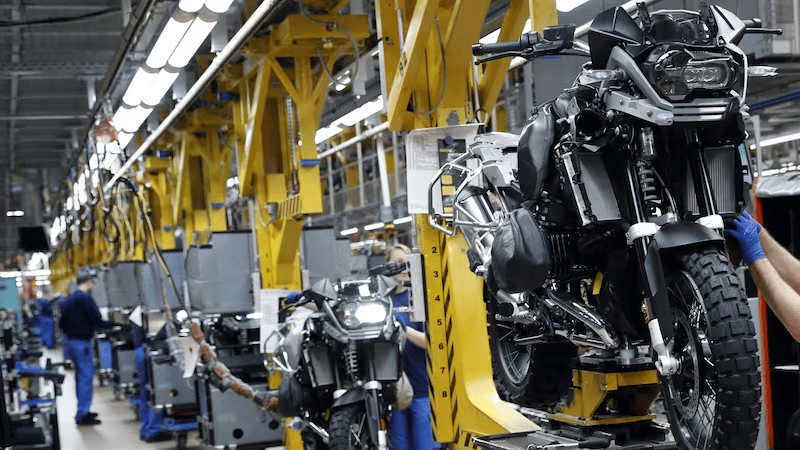
How motorcycles are transforming shopping and the mobility industry in South Africa
The South African motorcycle industry has been a victim of relentless progress in automation and productivity gains in vehicle manufacturing. The essence of automation and technological innovation has enabled the production of higher volumes of the same items in shorter timeframes. This means that small production facilities can no longer compete on a least-cost basis with large plants.

BlogCountries ManufacturingSouth Africa
The Reinvention of South Africa’s Pulp and Paper Industry
In 1972, a report titled The Limits to Growth concluded that unless societies fundamentally changed how they consumed resources and managed environmental degradation, the world would eventually face severe constraints on industrial production, economic growth, and human wellbeing. This sparked debates and initiatives to address the scarcity and limited availability of resources.
BlogCountries Agriculture & AgribusinessSouth Africa
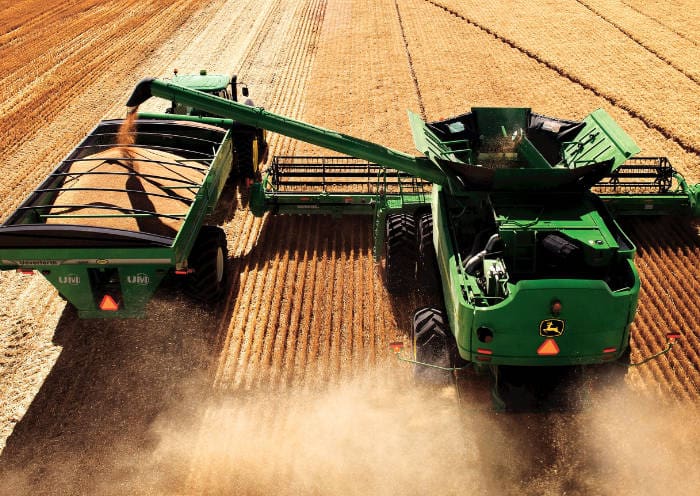
From food security to climate resilience, South African agriculture is keeping up with global competitors
The Who Owns Whom report on Trends in South African Agribusiness shares a wealth of excellent information about the agricultural sector in South Africa, with graphical illustrations that offer valuable insights into its evolution, its positioning for sustainability and the adoption of smart farming technology while securing food for its citizens.