
Ethiopia Snapshot
Since the implementation of progressive macroeconomic reforms, Ethiopia, which entered the 21st century as the world’s second-poorest nation, was the seventh most attractive African country to investors according to the Africa Investment Index 2018. With a GDP of US$84bn it ranks as Africa’s 8th largest economy, growing by 7.9% in 2019. The World Bank forecasts 8.2% growth in 2020 following an average of 10.8% per annum between 2005 and 2015 followed by a decline in 2016 due to a crippling drought.
Ethiopia’s population of 109 million is the continent’s second largest after Nigeria and is growing at a rate of 2.85% per annum and predicted to exceed 138 million by 2030 and over 188 million by 2050.
The country’s rising government debt now stands at 59% of GDP, up from 46.8% four years ago after the government borrowed heavily to invest in infrastructure projects and industrial parks.
The challenge over the past three years has been the political unrest in different parts of the country following reforms since Abiy Ahmed’s appointment as prime minister in April 2018 and the appointment of Ethiopia’s first woman president, Sahle-Work Zewde, in October 2018.
The Who Owns Whom report on the Agri-Business Sector in Ethiopia states that the agriculture, forestry and fishing sectors contributed 31.1% to Ethiopia’s GDP in 2018, and had a gross value added of US$26.2bn. This is a critically important sector as it employed 33.7 million people, or 66.2% of the labour force, in 2018, according to the International Labour Organisation. But the sector faces challenges due to its dependence on traditional farming methods, its rain-fed farming system, the high cost of production inputs and high transportation costs.
The Who Owns Whom report on ICT in Ethiopia states that the national ICT budget for the 2017/18 financial year increased by almost 17% year-on-year, and that US$4.19bn was earmarked for capital expenditure. The Ethiopian government has prioritised the development of ICT, recognising the sector as a “key driver and facilitator for transforming Ethiopia’s predominantly subsistence agriculture economy to an information and knowledge-based economy”.
Although various initiatives have been adopted to liberalise the economy, Ethiopia effectively remains a one-party state with a planned economy. In the 2016 Index of Economic Freedom, Ethiopia, retained its 2015 score of 51.5 and ranked 148th out of the 177 countries surveyed.
Contact us to access WOW's quality research on African industries and business
Contact UsRelated Articles
BlogCountries Communication Media and TechnologyKenya
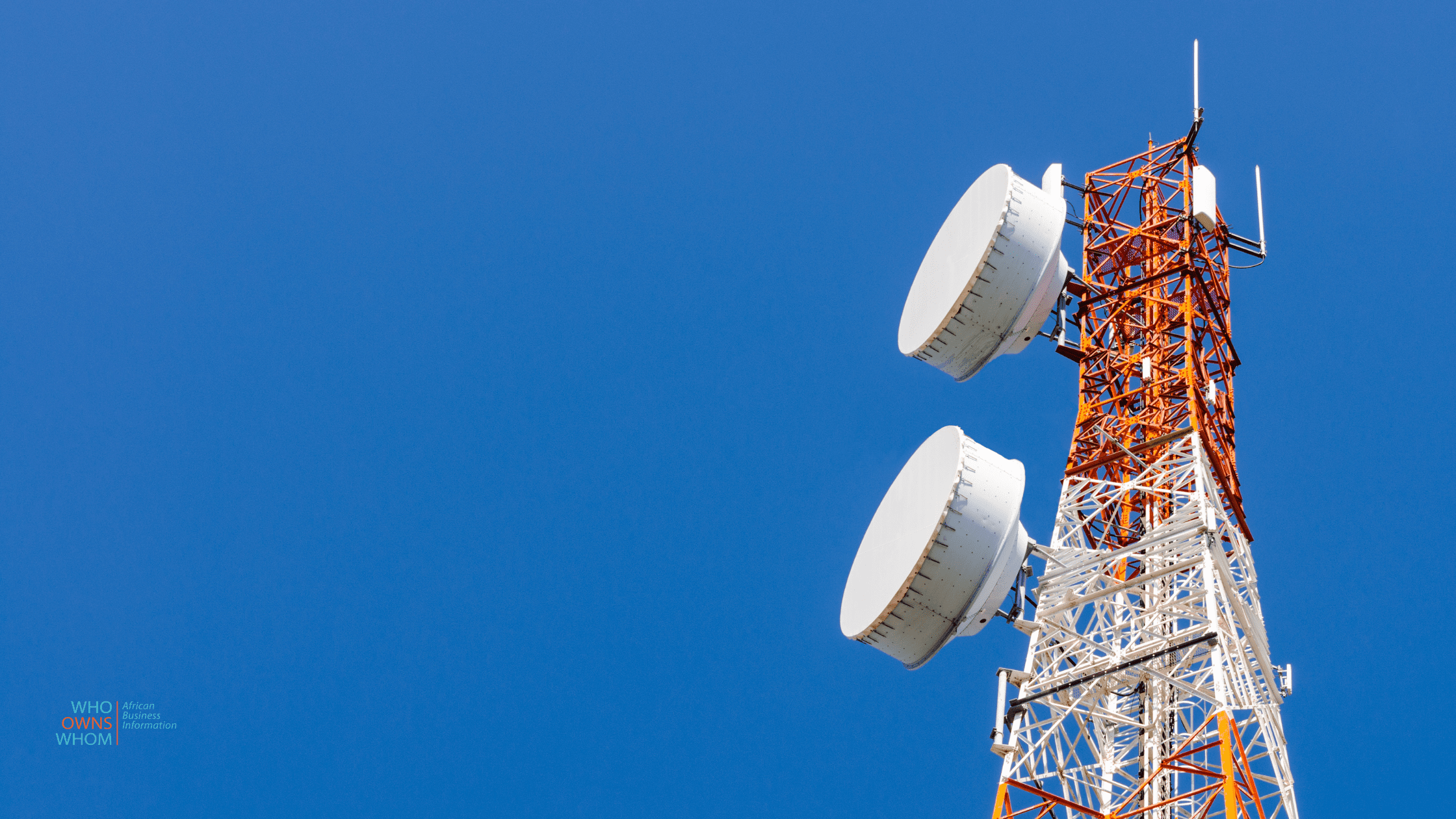
The evolution of Kenya’s telecommunications industry and its supportive regulation
Kenya's telecom sector is evolving fast. Learn how M-Pesa, regulatory reform, and mobile penetration are driving digital growth and financial inclusion across the country.
BlogCountries Agriculture & AgribusinessManufacturingSouth AfricaSouth Africa
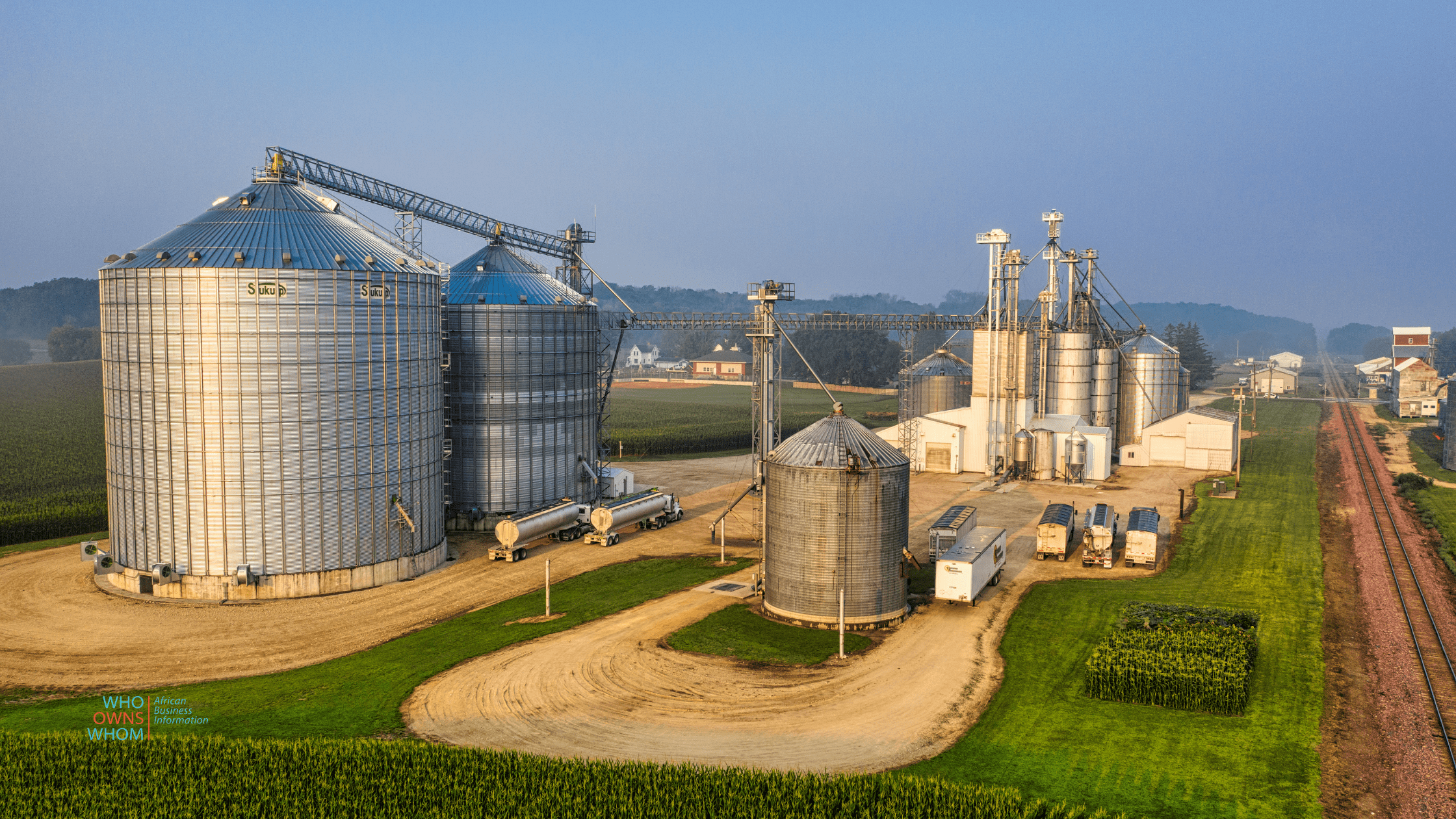
The starch industry – vast prospects in its versatility
Explore South Africa's starch industry, from Ingrain's dominance to import pressures and growth opportunities in modified starches and industrial applications.
BlogCountries MiningSouth Africa
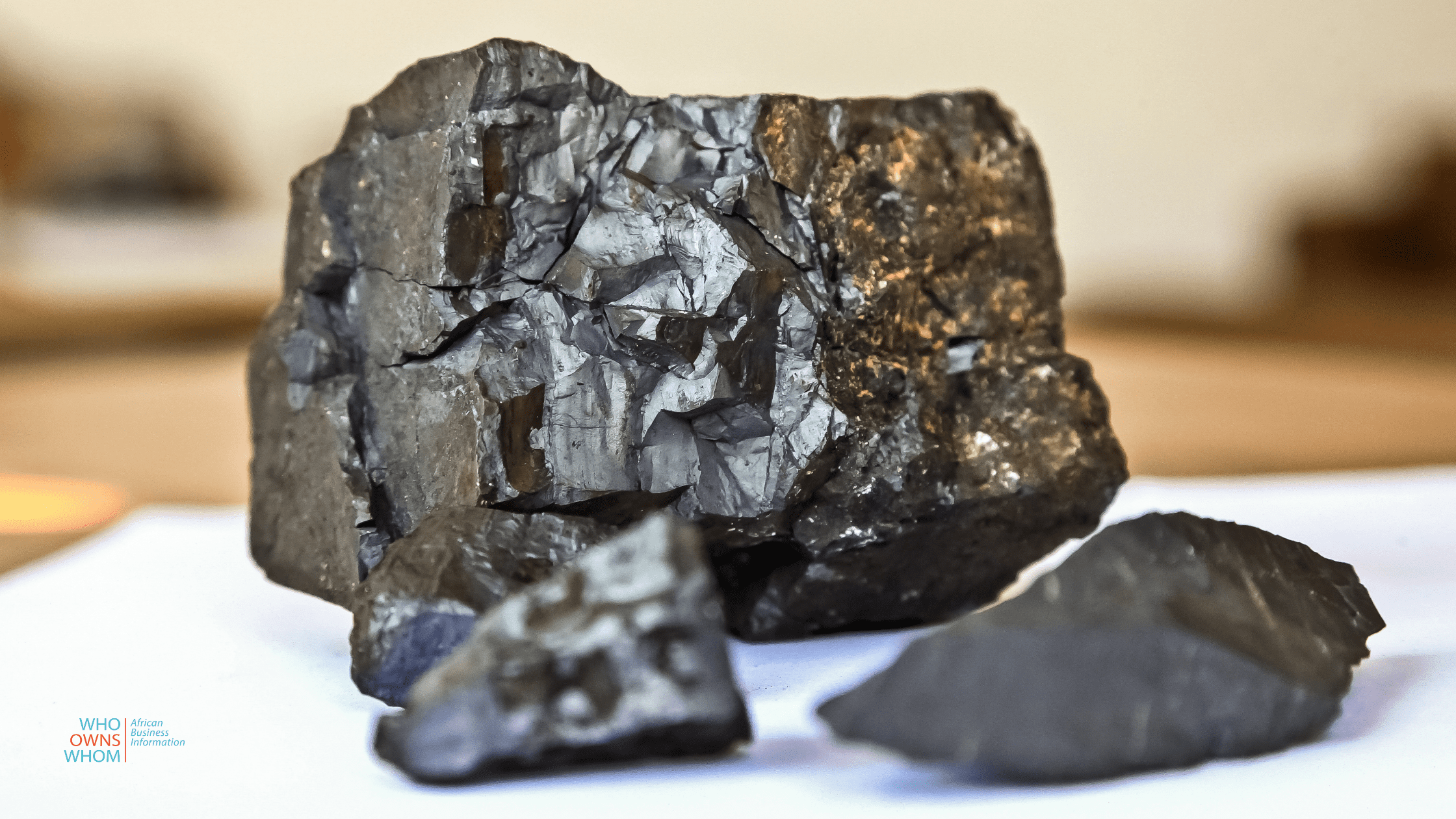
South Africa’s manganese industry, powering the global energy transition
South Africa holds the world's largest manganese deposits. Discover how high electricity costs, beneficiation gaps, and battery demand are shaping the sector.