
Burundi Snapshot
The Burundi economy ranks 41st on the continent with a GDP of US$3bn and a population of 11 million, and is classified as a ‘fragile’ economy which has been ravaged by a protracted civil war.
According to the African Development Bank, economic growth is constrained by its unstable macroeconomic framework and security concerns, among other factors.
Burundi, which is one of the world’s poorest nations, has been embroiled in a civil war for over a decade. Political protest action flared up in April 2015, following an announcement by the ruling party that incumbent president, Pierre Nkurunziza, would run for a third term. An attempted coup d’état was staged on 13 May 2015, but was unsuccessful.
The ensuing resurgence of violence caused hundreds of thousands of people to flee the country, and tensions remain high.
Nkurunziza, who announced that he would not be running for a fourth term, passed away in 2020 and was succeeded by Evariste Ndayishimiye.
Burundi’s primary natural resources are nickel, uranium, rare earth oxides, peat, cobalt, copper, platinum, vanadium, arable land, hydropower, niobium, tantalum, gold, tin, tungsten, kaolin and limestone. Operating industries include light consumer goods such as blankets, shoes, soap, and beer, assembly of imported components, public works construction and food processing . Its major exports are coffee, tea, sugar, cotton and hides.
Contact us to access WOW's quality research on African industries and business
Contact UsRelated Articles
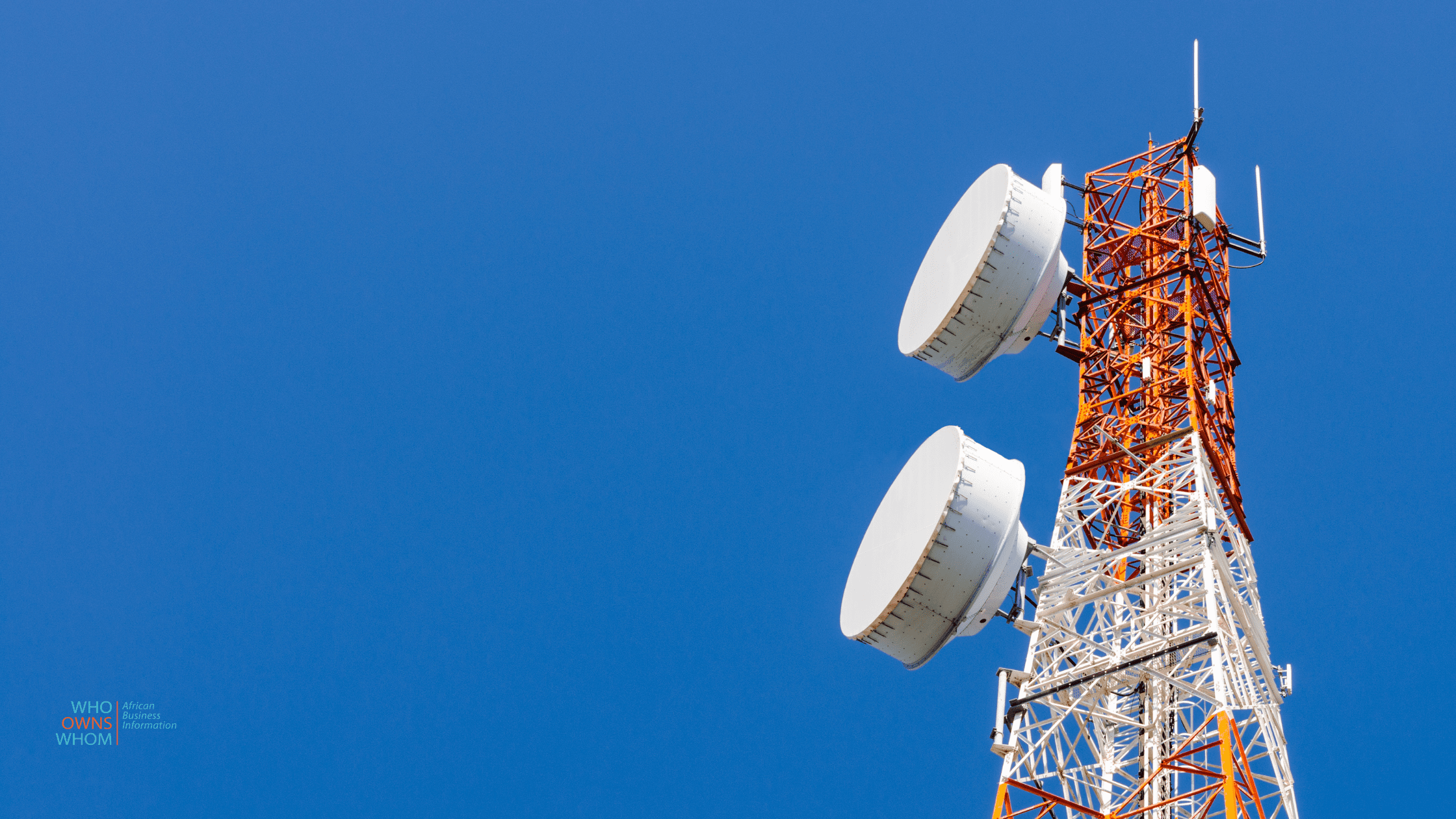
BlogCountries Communication Media and TechnologyKenya
The evolution of Kenya’s telecommunications industry and its supportive regulation
Kenya's telecom sector is evolving fast. Learn how M-Pesa, regulatory reform, and mobile penetration are driving digital growth and financial inclusion across the country.
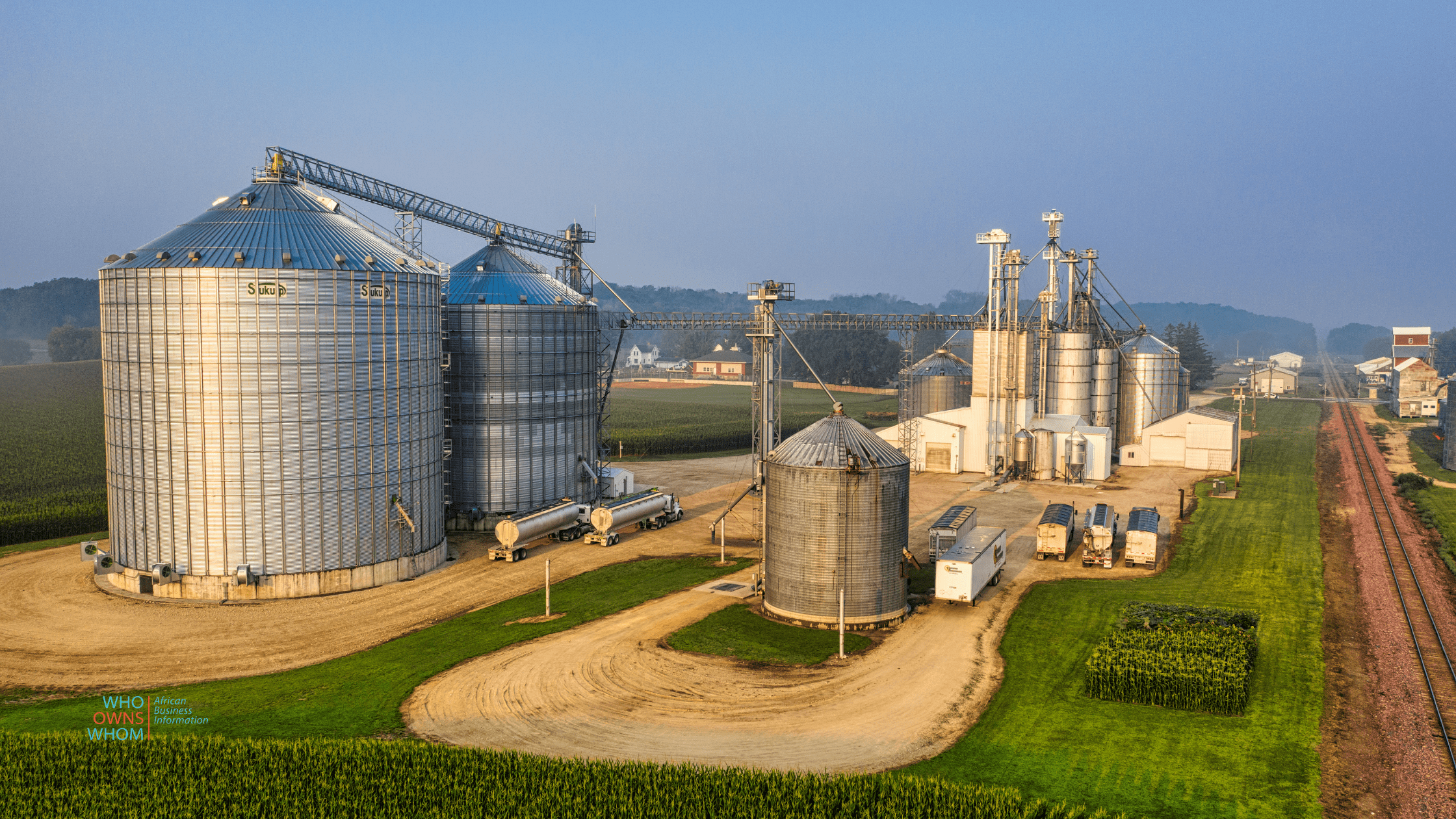
BlogCountries Agriculture & AgribusinessManufacturingSouth AfricaSouth Africa
The starch industry – vast prospects in its versatility
Explore South Africa's starch industry, from Ingrain's dominance to import pressures and growth opportunities in modified starches and industrial applications.
BlogCountries MiningSouth Africa
South Africa’s manganese industry, powering the global energy transition
South Africa holds the world's largest manganese deposits. Discover how high electricity costs, beneficiation gaps, and battery demand are shaping the sector.